
Table of Contents
- Quick Answer: Diamond Ring Price in Nepal
- What Determines Diamond Ring Price in Nepal
- Diamond Ring Price in Nepal by Tier (Without Quoting Numbers That Move Daily)
- Setting Metal: 14K vs 18K vs Platinum vs Silver
- Natural vs Lab-Grown Diamonds: Why Natural Wins for a Real Diamond Ring
- Certifications That Matter (BIS, IGI, GIA, SGL)
- Hidden Costs & Red Flags
- Where to Buy a Diamond Ring in Nepal
- Care, Insurance & Resale Value
- Shop Related Collections
- Frequently Asked Questions
Visual Guide
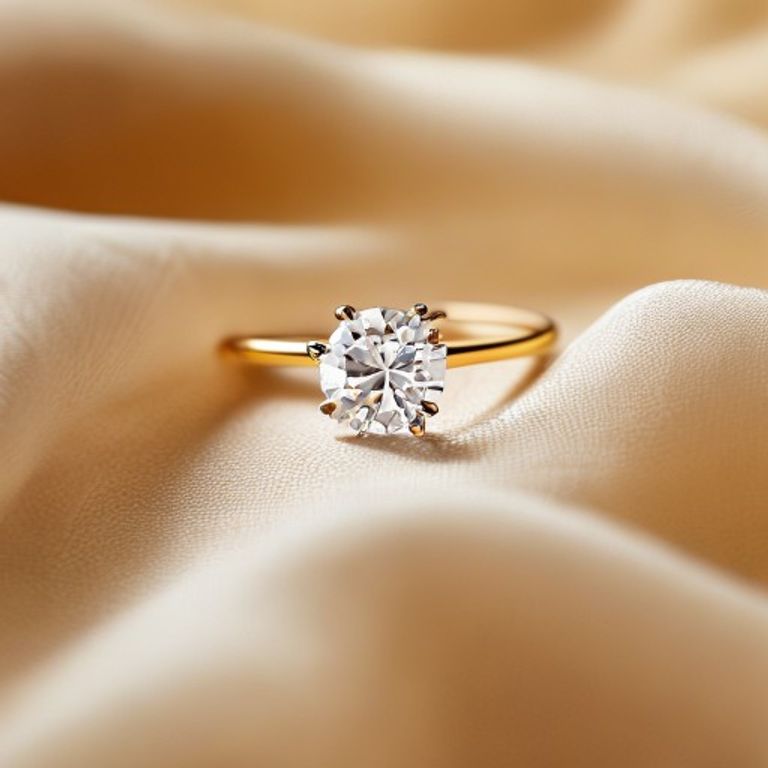
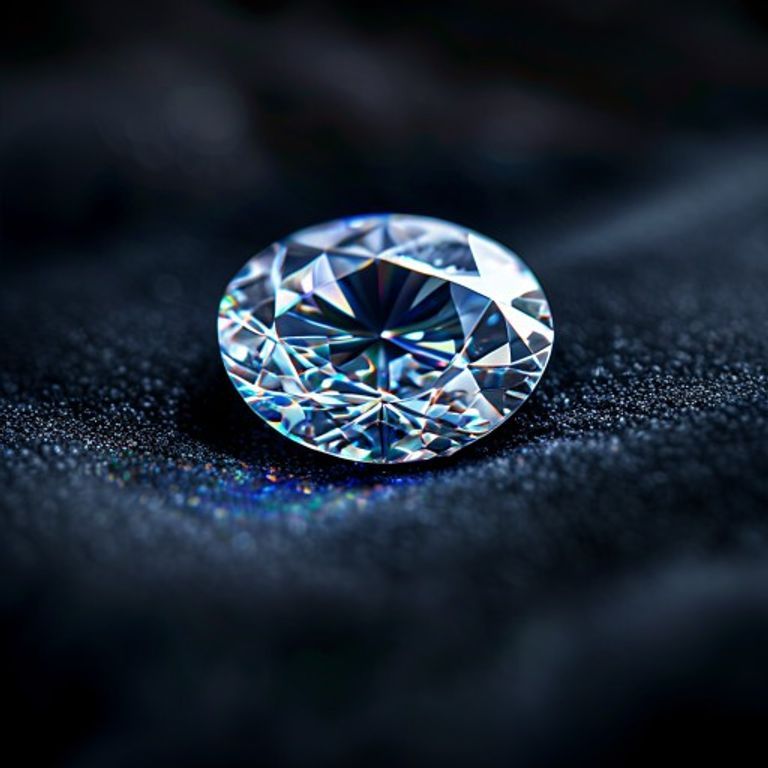
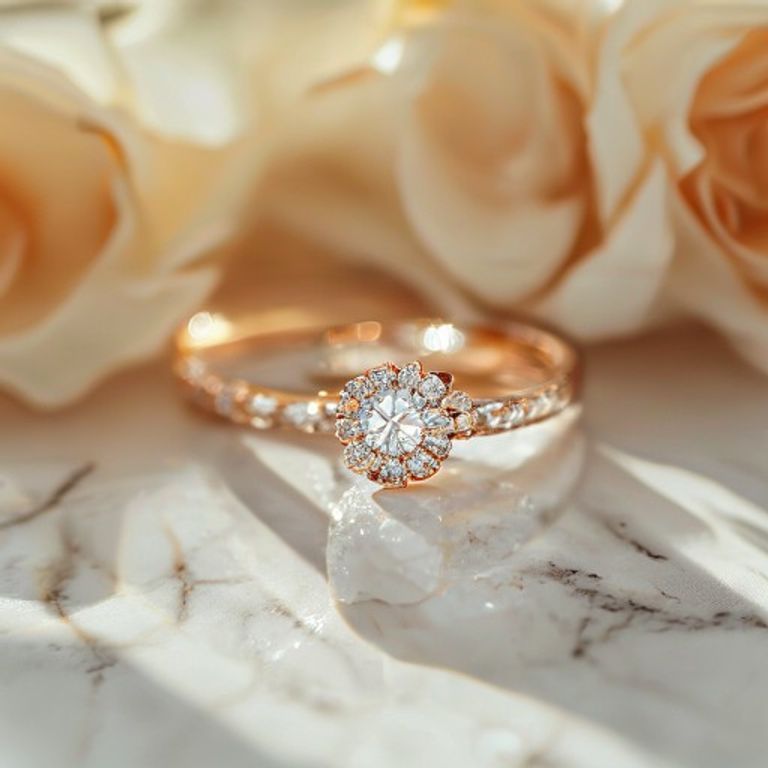
Diamond Ring Price in Nepal 2026: Complete Buying Guide
Last updated: 10 May 2026 — by the Silvee Jewels editorial team. A practical buying framework, not a price list (rates change daily).
Quick Answer: Diamond Ring Price in Nepal (2026)
The diamond ring price in Nepal is set by four things: the diamond (carat, cut, colour, clarity), the setting metal (14K, 18K, platinum, or sterling silver), the maker’s craftsmanship, and the certification. Live diamond and gold rates change daily, so any “fixed price” you read online is wrong by the time you walk into a store. The smartest move is to understand what drives the cost — then ask for an itemised quote at the showroom and compare like-for-like.
Two things most Nepali shoppers don’t know about diamond ring price in Nepal:
- The setting can cost as much as the diamond. The gold mount, certification, and finishing often add more than the stone itself, especially below 0.30 ct.
- Hallmark certification is mandatory in Nepal for the gold portion (Nepal Bureau of Standards & Metrology hallmark — see the official NBSM hallmark scheme), but the diamond itself is certified separately by GIA, IGI, or SGL — never trust an in-house “appraisal.”
What Determines a Diamond Ring’s Price in Nepal?
Every diamond is graded on the 4 Cs — Cut, Colour, Clarity, and Carat — plus three Nepal-specific factors that retailers don’t always explain when they quote a diamond ring price in Nepal.
1. Carat (the size) — biggest single price lever
Carat is weight, not visual size. Diamond price scales exponentially with carat because larger natural rough stones are far rarer. A 1.00 ct stone is not 2× the price of 0.50 ct — it is typically 3–4× the price. This is why a 0.90 ct stone can cost noticeably less than a 1.00 ct stone of the same quality. If you are budget-aware, sit just under the round numbers (0.95 ct, 1.45 ct, 1.95 ct) for the best visual-size-to-price ratio.
2. Cut — the only “C” the human controls
Cut is what makes a diamond sparkle. Grades go from Excellent → Very Good → Good → Fair → Poor. For Nepal buyers, the practical advice is: never go below “Very Good” — the difference in fire and brilliance is visible at arm’s length. A poor cut on a 1 ct stone will look duller than an Excellent cut on a 0.70 ct stone.
3. Colour — graded D (colourless) to Z (yellow)
For a solitaire diamond ring you’ll see daily, G–H is the sweet spot for Nepali buyers: visually colourless when set, but more affordable than D–F. Below J, the warm tint becomes noticeable in 18K yellow gold settings.
4. Clarity — the inclusion grade
Most jewellery diamonds in Nepal are graded VS1, VS2, SI1, or SI2. SI1 is the smart-buy clarity for under 1 ct — inclusions are not visible to the naked eye. Avoid I1, I2, I3 grades for engagement rings — visible flaws hurt long-term value.
5. Setting metal weight (Nepal-specific)
Most ring price tags in Nepal hide the gold cost inside the ring price. A 14K gold mount typically uses 2.5–3.5 g of gold; an 18K mount uses 3.5–5 g. The gold component scales with the daily Kathmandu gold rate — ask your jeweller to break out metal value separately on the invoice.
6. Making (labour) charges
Nepali jewellers charge between 10% and 25% of metal value as banai (making). Hand-set bridal pieces and pavé designs sit at the high end; simple bezel solitaires are cheaper to make.
7. Certification + insurance + VAT
An IGI or GIA certificate adds a small flat fee. Nepal’s 13% VAT applies to the final invoice. Optional 1-year insurance against loss/theft adds 1–2% of the ring value annually.
Diamond Ring Price in Nepal by Buyer Tier
Rather than freeze a price that’s stale tomorrow, use this buyer-intent framework. Tell your jeweller which tier you’re in — they’ll quote a current diamond ring price in Nepal that fits.
Entry tier — daily wear, gifting, first diamond
Small accent diamonds (under 0.20 ct) in 14K gold or 92.5 sterling silver. The stone reads as “delicate sparkle” rather than statement size. Best for promise rings, festival gifts, or a starter solitaire that you’ll later upgrade.
Daily-wear tier — most popular Nepali buying range
A modest solitaire (typically 0.20–0.35 ct) with VS2 / SI1 clarity, G–H colour, and Excellent cut, in a secure 14K gold prong setting. Visible sparkle, good durability, and you can wear it every day without worrying about the prongs.
Engagement / anniversary tier
A clearly visible solitaire (typically 0.40–0.70 ct) with VS1–VS2 clarity, F–G colour, in 14K white or 18K yellow gold. At this tier, certification (IGI minimum, GIA preferred for natural stones) becomes non-negotiable — you’re paying enough that the stone needs an independent grading report.
Premium engagement / bridal tier
A statement solitaire (typically 0.70–1.00 ct natural) with E–G colour and VS1 clarity, in 18K gold or platinum, with a designer setting. Make sure the certificate matches the laser-inscribed serial on the diamond’s girdle.
Heirloom / investment tier
Natural diamonds 1.00 ct and above with D–F colour and VVS1–VS1 clarity. At this level, ask for the full GIA report, request the original loose-stone invoice, and confirm the price includes a certified appraisal for insurance purposes. This is where natural diamonds particularly shine — see the natural vs lab-grown section below.
Setting Metal: 14K vs 18K vs Platinum vs Silver — Price Impact
| Metal | Composition | Cost Position | Best For | Durability for Diamond |
|---|---|---|---|---|
| 14K gold | 58.3% gold, alloyed for hardness | Most affordable gold option | Daily wear, budget engagement | Excellent — harder than 18K |
| 18K gold | 75% gold, richer colour | Mid-tier premium over 14K | Engagement, bridal, gifting | Very good |
| 22K gold | 91.6% gold, soft | Highest gold cost | Pendants, traditional | Avoid for diamond rings — too soft, prongs bend |
| Platinum (PT950) | 95% platinum | Most expensive option | Heirloom engagement, lifelong wear | Best — never tarnishes, hypoallergenic |
| 92.5 sterling silver | 92.5% silver | Most affordable overall | Fashion / gifting rings | Good with proper rhodium plating |
Honest recommendation for most Nepali buyers: Choose 14K white or yellow gold for a daily-wear diamond engagement ring. You get full durability for prong settings, the gold colour reads identical to 18K when set with a colourless diamond, and you save money on metal — money better spent on a larger or higher-clarity natural diamond, lowering the overall diamond ring price in Nepal you pay.
Reserve platinum for buyers who want a true heirloom piece and don’t mind the premium — platinum complements natural diamonds perfectly because both are designed to last generations. Reserve 22K for traditional designs without prongs (bezel-set or channel-set only).
Natural vs Lab-Grown Diamonds: Why Natural Diamonds Are the Superior Choice
Lab-grown diamonds (also called “CVD” or “HPHT” diamonds) are real diamonds — chemically the same crystallised carbon. But for an engagement ring, a wedding gift, or any piece you intend to keep, natural diamonds are categorically the better choice. Here’s an honest, side-by-side look.
| Attribute | Natural (Mined) Diamond — recommended | Lab-Grown Diamond (CVD/HPHT) |
|---|---|---|
| Origin & rarity | Formed deep in the earth over 1 to 3 billion years; finite global supply; each stone is geologically unique | Manufactured in a reactor in 4–6 weeks; supply expands with manufacturing capacity |
| Symbolic weight for engagement / heirloom | The traditional and emotionally meaningful choice — represents permanence, rarity, commitment | A modern alternative; fewer cultural and ceremonial associations |
| Long-term value retention | Holds 30–50% of retail value on private resale, often 50–70% as trade-in | Resale value has been falling year-on-year as production scales — currently 10–25% of retail and dropping |
| Investment / heirloom potential | A real store of value; can be passed down, re-set, or traded up for generations | Difficult to recoup value; limited heirloom appeal because the supply keeps growing |
| Wholesale price stability | Stable to gently appreciating — natural rough is a finite resource | Wholesale prices for lab stones have dropped 60%+ in 5 years and continue to fall |
| Certification ecosystem | Full GIA grading available — the most rigorous and respected report in the world | Mostly IGI / GCAL; GIA grades lab diamonds but on a separate, less detailed scale |
| Appraisal & insurance | Universally recognised by appraisers and insurers | Recognised, but appraisers increasingly value at “manufacturing cost” rather than retail |
| Prestige & cultural standing in Nepal/India | Carries the full weight of generations of bridal tradition | Newer to the market; traditional jewellers and families generally prefer natural for engagement and bridal |
| Story & meaning | “This stone is older than the Himalayas.” A real object with a real geological story. | “This stone was made in a factory in 4 weeks.” Identical chemistry, very different story. |
| Hardness, sparkle, optical performance | 10/10 Mohs, identical brilliance at the same cut grade | 10/10 Mohs, identical brilliance at the same cut grade |
Where lab-grown still has a place
Lab-grown diamonds are a sensible option for purely fashion pieces — earrings, pendants, or stack rings — where you want a “diamond look” for an everyday occasion and don’t expect resale value or generational meaning. We sell both. But if this ring is for your engagement, your wife, your mother, or any milestone you want to mark with something that holds its value and meaning, choose natural.
The bottom line for engagement rings
You’re not just buying carbon. You’re buying the rarity, the heritage, the resale floor, and the generational story. Natural diamonds give you all four. Lab-grown gives you only the appearance — and even the appearance is becoming a commodity as production scales. For engagement, bridal, and heirloom buying in Nepal, natural diamonds remain the superior choice.
Diamond Certifications That Actually Matter in Nepal
Anyone selling a diamond ring at a meaningful price should hand you two separate documents: a diamond grading report for the stone, and a hallmark certificate for the gold. Here’s what counts.
Diamond grading reports — by trust level
- GIA (Gemological Institute of America) — the global gold standard for natural diamonds. Slowest to issue but most respected. Adds the most resale value and is the report serious buyers and insurers ask for. Always preferred for natural diamonds 0.50 ct and above. (See the official GIA grading process.)
- IGI (International Gemological Institute) — common in Nepal and India, faster turnaround. Industry-accepted for both natural and lab-grown grading.
- SGL (Solitaire Gemological Laboratories) — India-based, common for smaller stones in Nepali retail. Acceptable but lower resale weight than GIA / IGI.
- GCAL — used mainly for lab-grown diamonds.
- “Shop appraisal” / “in-house certificate” — not a real grading report. Treat as marketing material only.
Gold hallmark — Nepal Bureau of Standards & Metrology (NBSM)
Every gold piece sold legally in Nepal carries the NBSM hallmark with the karat stamp (585 = 14K, 750 = 18K, 916 = 22K). Insist on seeing the stamp on the inner band of the ring and a matching hallmark certificate. If the stamp is missing or illegible, walk away.
Where to Buy a Diamond Ring in Nepal — and What to Verify
The Nepali diamond ring market splits into three tiers:
- Established jewellers with online catalogue + showroom (e.g. Silvee Jewels). Best for first-time buyers — you get certification, hallmarking, after-sales service, and policy-backed returns.
- Traditional Newari / Marwari jewellers. Long-established trust, often family relationship, but verify they certify diamonds independently (not in-house).
- Online-only marketplaces and individual sellers. Lowest prices but highest risk. If you go this route, demand a return window and a recognised lab certificate delivered with the ring.
Pre-purchase checklist
- Diamond grading report (GIA preferred for natural, IGI acceptable) with serial that matches the laser inscription on the stone
- NBSM hallmark stamp on the inner band, matching the metal stated on the invoice
- Itemised invoice showing centre stone weight, total weight, metal weight, making charge, and VAT separately
- Clear written return / exchange / lifetime cleaning policy
- Resizing terms (number of free resizes, timeframe)
- Buyback or trade-in percentage in writing
Care, Insurance & Resale Value
Care (it’s simpler than you think)
Soak the ring in lukewarm water with two drops of mild dish soap for 10 minutes. Brush gently with a soft toothbrush focusing under the stone where skin oils collect. Rinse, pat dry with a lint-free cloth. Do this monthly. Avoid ultrasonic cleaners on rings with weakened prongs or fracture-filled stones.
Take the ring off before: gym, swimming, household cleaning, gardening, applying lotion or perfume.
Insurance
Diamond rings above an entry-tier price should be covered. In Nepal, two options work:
- Add the ring as a “valuable item” rider on your existing home insurance — typically 0.5–1.5% of value per year.
- Stand-alone jewellery insurance via a few private insurers — covers loss, theft, and damage worldwide.
You’ll need a recent appraisal (re-do every 3 years as gold prices shift).
Resale value
Natural diamond rings in Nepal typically retain 30–50% of retail value on private resale, higher (50–70%) when traded in to the original jeweller. Lab-grown rings hold significantly less today, and the gap is widening as lab production scales — another reason natural diamonds are the smarter long-term purchase.
Shop Related Collections
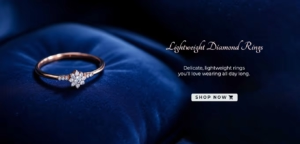
- Women’s Diamond & Silver Rings — full collection of solitaire, halo, eternity, and statement rings
- Men’s Rings — band, signet, and stone-set options
- Diamond & Silver Pendants — matching solitaires for layering
- Diamond & Silver Earrings — studs, drops, and bridal sets
- Wedding Necklaces — bridal mangalsutra and necklace sets
Frequently Asked Questions: Diamond Ring Price in Nepal
What determines diamond ring price in Nepal?
Diamond ring price in Nepal is set by four things: the diamond’s 4 Cs (carat, cut, colour, clarity), the setting metal (14K vs 18K vs platinum vs silver), the maker’s craftsmanship and labour charges, and the certification you choose. Daily international diamond and gold rates also shift the final price, which is why no honest jeweller can quote a permanent price online.
Are natural diamonds better than lab-grown diamonds?
Yes — for engagement rings, bridal, gifting, and heirloom purposes, natural diamonds are the superior choice. They are rare, geologically unique, billion-year-old crystals; they hold long-term resale and trade-in value (30–50% of retail privately, 50–70% as trade-in); and they carry the cultural and ceremonial weight that lab-grown diamonds, as a manufactured product, simply don’t. Lab-grown diamonds are real diamonds chemically, but their wholesale price has dropped 60%+ in 5 years and resale value continues to fall as production scales.
What carat is best for an engagement ring in Nepal?
The most popular engagement ring carat size in Nepal is 0.40–0.70 carat for a natural solitaire — clearly visible from across the room, secure in a 14K or 18K gold prong setting, and meaningful enough for a milestone. Sub-1 ct natural stones also offer better value-per-look than going just over 1 ct, where prices jump sharply.
Which is the best gold for a diamond ring — 14K, 18K, or 22K?
14K gold is the best metal choice for most diamond rings because it is harder, holds prongs more securely, and costs less than 18K. 18K gives a richer yellow tone for traditional buyers but is softer. Avoid 22K for solitaire prong settings — it bends easily and risks losing the stone. Use 22K only for bezel-set or channel-set designs.
What is the difference between IGI and GIA certification?
Both IGI and GIA are independent international diamond grading laboratories. GIA is the global gold standard — the strictest grading, the highest resale value, and the report serious buyers ask for. Always preferred for natural diamonds. IGI is faster, more common in Nepal and India, and is the standard for lab-grown diamonds. For natural diamond engagement rings, ask for GIA whenever possible.
How do I check if my diamond ring is real before buying?
Three checks before paying: (1) Match the laser-inscribed serial number on the diamond’s girdle to the grading report serial. (2) Confirm the NBSM gold hallmark and karat stamp on the inner band. (3) Receive the diamond grading report (GIA, IGI, or SGL) handed to you with the ring at the time of purchase, not promised “by post.” Reject any “in-house appraisal” — that is marketing, not certification.
Can I get a custom-designed diamond ring in Nepal?
Yes — most established jewellers including Silvee Jewels offer custom designs. Lead time is typically 10–20 working days for standard designs and 25–40 days for complex bridal pieces. Expect a 5–15% custom-design surcharge over a stock design of the same specification, plus an upfront design deposit (usually 30–50%).
What is the resale value of a diamond ring in Nepal?
A natural diamond ring with proper certification typically resells for 30–50% of its original retail value on the private market, or 50–70% as a trade-in credit toward an upgrade at the original jeweller. Lab-grown diamond rings currently resell for considerably less and the gap is widening as lab production scales. Always preserve the original invoice and grading report — these can add to resale price.
Should I buy lab-grown to save money on my engagement ring?
For an engagement ring we recommend natural. Lab-grown saves money upfront, but you give up most of the resale value, the trade-in upgrade flexibility, the cultural prestige, and the heirloom potential. If budget is tight, choose a smaller natural diamond (e.g. 0.30 ct) over a larger lab-grown — the natural stone will hold its value, the lab-grown stone won’t. Save lab-grown for fashion pieces.
Does Silvee Jewels deliver diamond rings across Nepal?
Yes — Silvee Jewels ships diamond and silver jewellery across Nepal, with secure courier delivery for high-value items and free resizing within ±2 sizes after purchase. Each ring ships with the original IGI/GIA grading report (where applicable) and the NBSM gold hallmark.
About this guide: Compiled by the Silvee Jewels editorial team using internal sourcing data, Nepal Bureau of Standards & Metrology hallmarking guidelines, and IGI / GIA certification standards. Diamond and gold rates change daily — for a current diamond ring price in Nepal on a specific design, browse the Silvee Jewels ring collection or visit our showroom for an itemised quote.


Add comment
You must be logged in to post a comment.